Please note alternative access routes are in place for entry to the Gallery from the visitor car park from Monday 24 August to Wednesday 26 August. Please follow signage and directions from staff.

Menu

The National Portrait Gallery acknowledges the Traditional Custodians of Country throughout Australia and recognises the continuing connection to lands, waters and communities. We pay our respect to Aboriginal and Torres Strait Islander cultures and to Elders both past and present.

Aboriginal and Torres Strait Islander viewers are warned that this website contains images of deceased persons.

Place

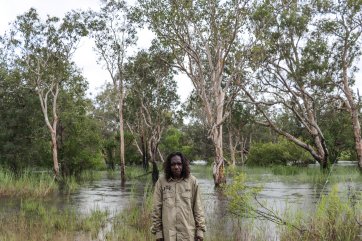
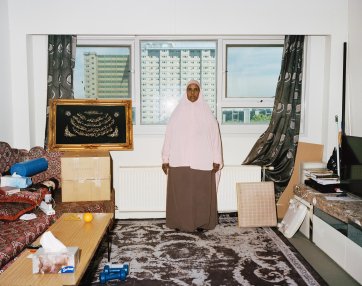
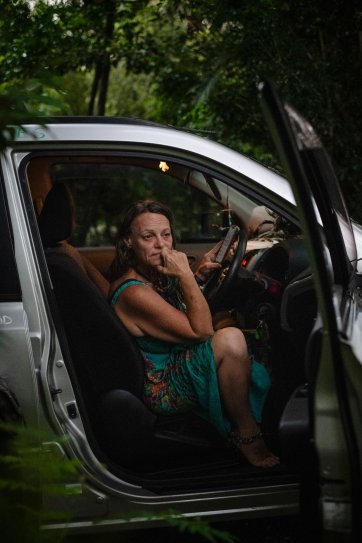
Consider the significance of place when telling someone’s story.

Kanjdjihkanjdji Madjinbardi Kukabo (Down by the River at Madjinbardi), 2025 Shannon Nango
UNTITLED: 01, 2025 Hussein Abdirahman Mohamud
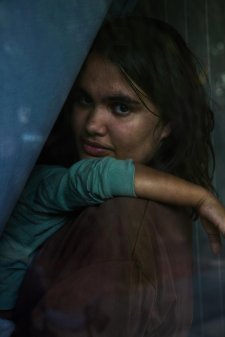
Tina, 2025 Elise Derwin
1 Kanjdjihkanjdji Madjinbardi Kukabo (Down by the River at Madjinbardi), 2025 Shannon Nango. 2 UNTITLED: 01, 2025 Hussein Abdirahman Mohamud. 3 Tina, 2025 Elise Derwin.

Look

  • Invite students to spend time looking closely at one portrait.
  • Ask students to look carefully for at least a minute, focusing first on the setting.
  • Encourage them to notice details in the setting before considering the mood or feeling it creates.

Discuss

  • Invite students to discuss their observations in small groups or as a class, looking at the three portraits side-by-side.
  • Ask students to consider how the sitter might be connected to the place they’ve been photographed.

Discussion prompts:

  • How is mood reflected in both the setting and the subject?
  • How does the subject feel as they stand in this place? What can you see that makes you say that?
  • Is there equal emphasis on setting and sitter?
  • Does the subject seem connected to the place? Why or why not?

Connect

  • Invite students to investigate each portrait further, using research to reflect on the importance of place in visual storytelling.
  • Ask students to consider how the three artists explore their subject’s connection to place.
  • Encourage them to start by reading each artist statement before researching further.

Inquiry prompts:

  • How is each subject connected to the place they’ve been photographed?
  • How do the artists explore the significance of place to a person’s past, present and future?
  • Are there recurring locations, communities or ideas about place across each artist’s practice?
  • How has place influenced the subject’s identity? How does the artists’ connections to place influence their practice?
  • Can you resonate with the subjects’ stories?

Create

  • Invite students to explore their own connections to place through a creative activity.
  • Ask them to reflect their ideas and experiences by creating a zine or keeping a visual diary that ‘maps’ their identity through place.
  • Encourage them to fill their zine or diary with photographs, text, drawings and found objects, using collage to represent places that are meaningful to them.

Creative prompts:

  • Who do you visit different places with?
  • What memories do places hold?
  • What feelings do different places evoke?
  • How have places changed over time?
© National Portrait Gallery 2026
King Edward Terrace, Parkes
Canberra, ACT 2600, Australia

Phone +61 2 6102 7000
ABN: 54 74 277 1196

The National Portrait Gallery acknowledges the Traditional Custodians of Country throughout Australia and recognises the continuing connection to lands, waters and communities. We pay our respect to Aboriginal and Torres Strait Islander cultures and to Elders past and present. We respectfully advise that this site includes works by, images of, names of, voices of and references to deceased people.

This website comprises and contains copyrighted materials and works. Copyright in all materials and/or works comprising or contained within this website remains with the National Portrait Gallery and other copyright owners as specified.

The National Portrait Gallery respects the artistic and intellectual property rights of others. The use of images of works of art reproduced on this website and all other content may be restricted under the Australian Copyright Act 1968 (Cth). Requests for a reproduction of a work of art or other content can be made through a Reproduction request. For further information please contact NPG Copyright.

The National Portrait Gallery is an Australian Government Agency