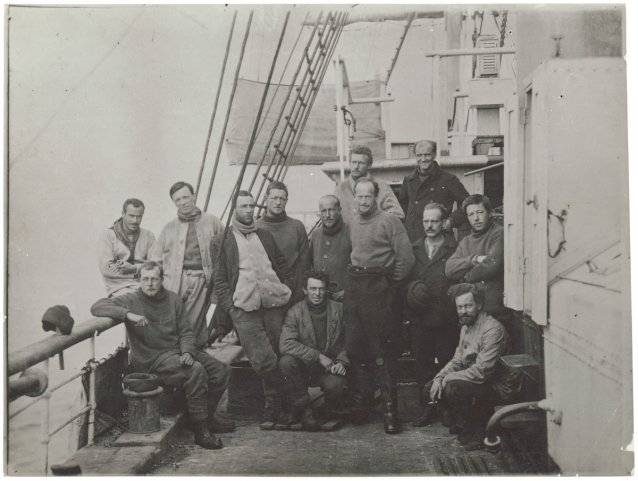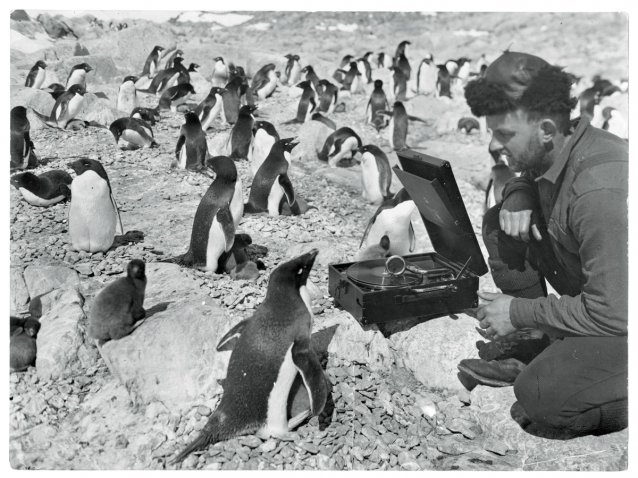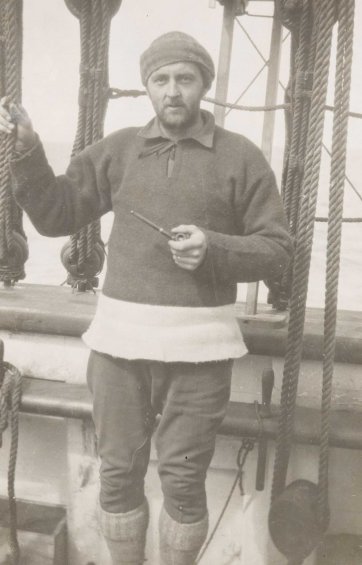
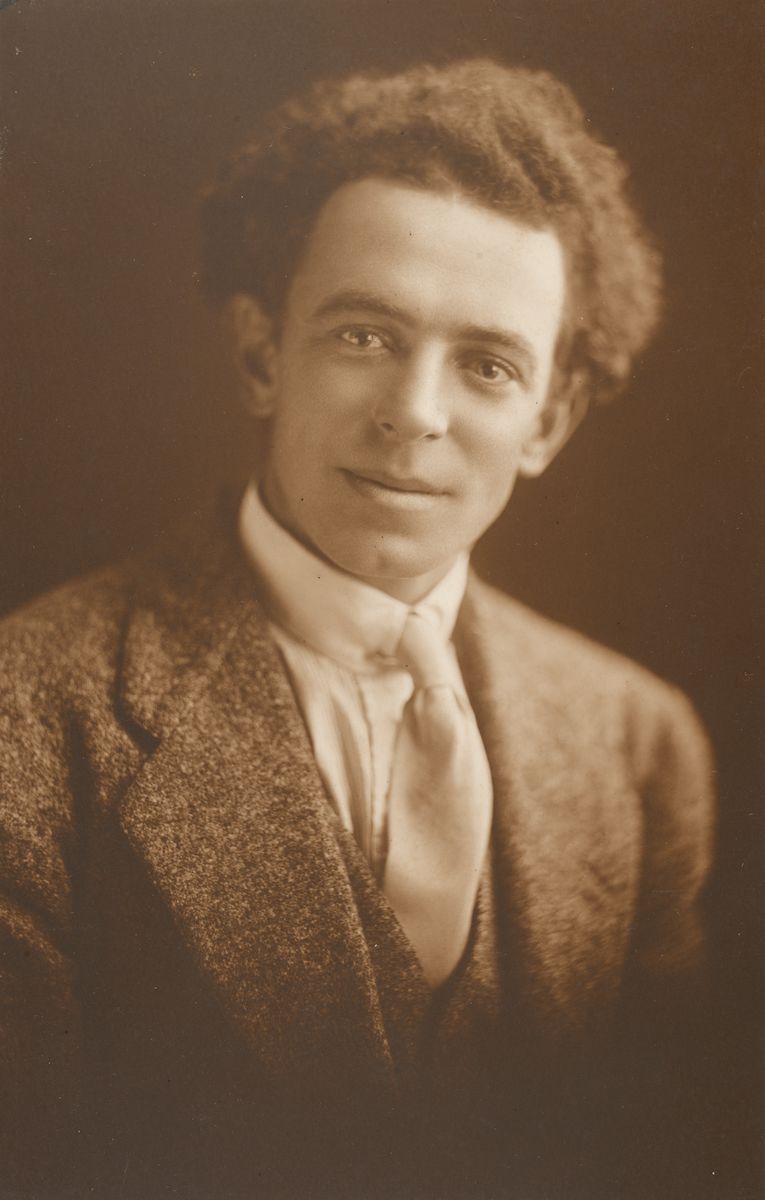
Frank Hurley was ‘a great chap to be away with’ according to an observation made in the journal kept by aviator Eric Douglas during a voyage to Antarctica in the summer of 1929 and 1930.
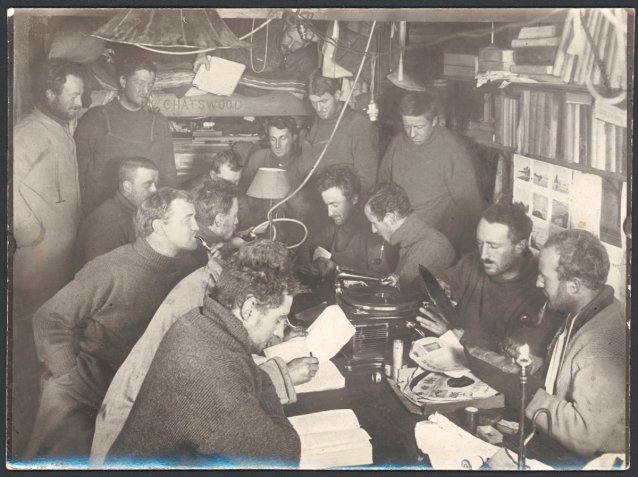
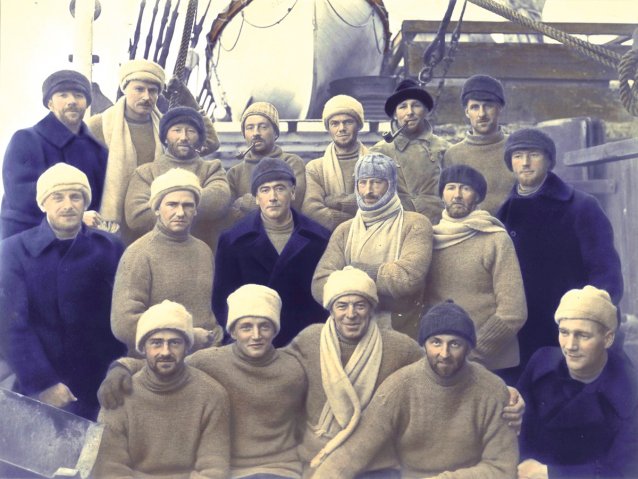
Written during Sir Douglas Mawson’s cumbersomely-named British, Australian and New Zealand Antarctic Research Expedition (BANZARE for short), Douglas’s journal presents a vivid vignette of daily life during a venture of substantial scientific and political consequence, a candid and personable record that mirrors the images taken by Hurley, the expedition’s official photographer. Known for their memorable depictions of heroic exploits in the frozen south, Hurley’s images are also plentiful in what they yield about the daily life of ordinary men in extraordinary circumstances.
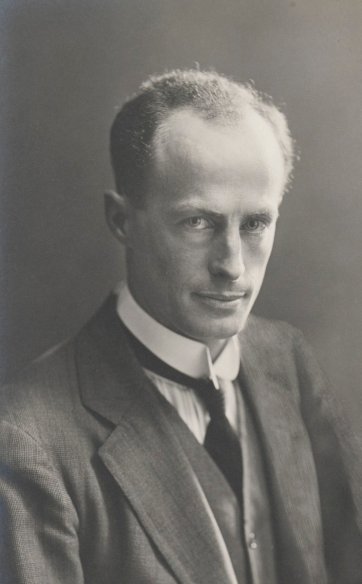
BANZARE’s leader Sir Douglas Mawson (1882-1958) first ventured to Antarctica with Sir Ernest Shackleton’s British Antarctic Expedition (1907- 09) and later led the Australasian Antarctic Expedition (AAE) of 1911 to 1914. Monumental for its achievements in science and exploration, the AAE is equally legendary for Mawson’s epic journey to the South Pole during which his two companions, Xavier Mertz and B.E. Ninnis, perished. Ninnis vanished into a crevasse with a sled-load of equipment and provisions and twenty five days later, Mertz succumbed to the combined affects of exposure, starvation, and poisoning from the livers of the sled dogs that had been supplementing supplies. Dangerously debilitated himself, Mawson made it 160 kilometres back to the base at Commonwealth Bay, only to see the expedition’s ship Aurorasteaming away without him. Mawson waited out another winter with the small party that had stayed to search for him, returning to Australia and adulation in 1914.