Introduction

I wonder, if people were afforded a second life, how would we choose to live it? Sure, we'd all have a few ideas – rich? perhaps; famous? maybe; beautiful? probably – but if it really came down to it, would our second life be that different from our first? Debates about personal agency and fate aside, would we really be able to live our lives as different people?

Anyone could be forgiven for thinking, given the recent fascination shown to concepts of the other self by popular culture that this reflects a relatively contemporaneous condition. However, the human dream of living another life or becoming another person has been part of our collective psyche for a lot longer. Indeed, the deadly sin of envy is predicated upon it.

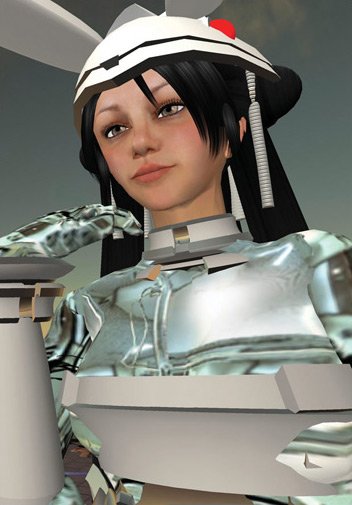
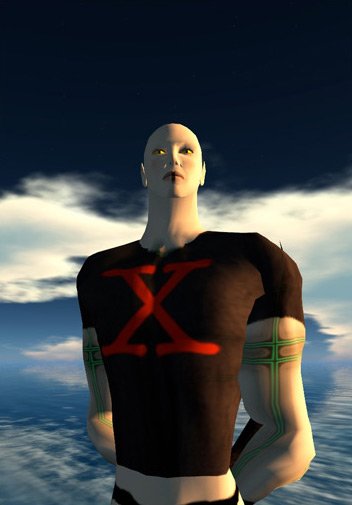
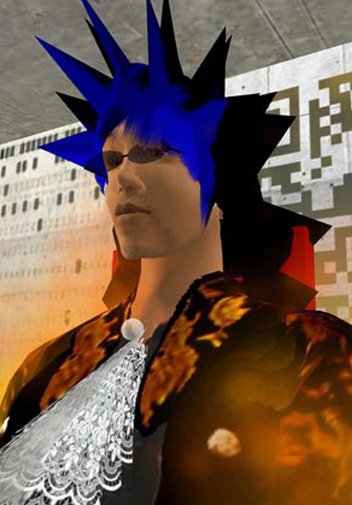
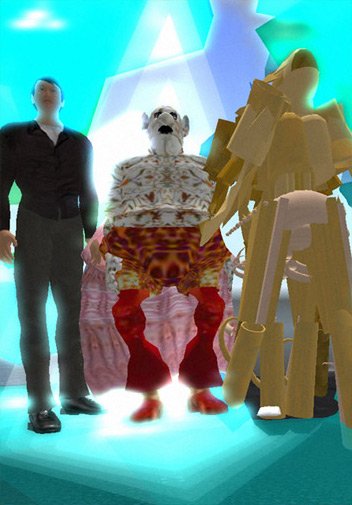
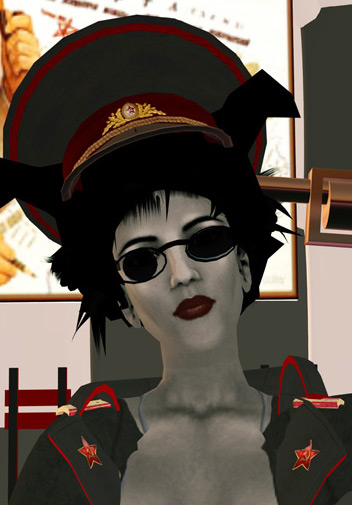
Upon first impressions, the virtual environment of Second Life appears to cater for this familiar human desire. Here we are given the opportunity to create a fully customisable avatar, a digital representation, which can look how we want it to look, act how we want it to act and interact in a digital world the way we have always wanted to in the real one. In Second Life we can indulge the fantasy of looking like a cat without having to resort to Jocelyn Wildenstein-style plastic surgery. On the surface, any appearance is possible.

The apparent potential for escaping our identities or creating a new life in this virtual environment extends beyond physical appearance and into the realm of experiences. The Second Life website offers you the ability to formalise a Second Life relationship. For just ten Linden dollars (Second Life currency equivalent at present to approximately US$0.04) you can propose to a person, through their avatar, and have this partnership registered on each other’s status. As website proclaims ; “Can’t be married in real life? Try Second Life!” (Divorce, on the other hand, will set you back L$25)

But how much of ourselves can we really conceal or remove from our interactions in online environments? Does the technology simply make it easier to express and expose our desires, predilections and biases – those things that may not always be on display but that combine to make us who we are?

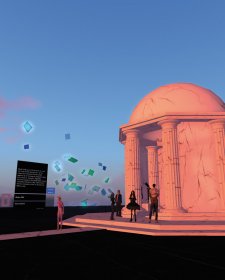
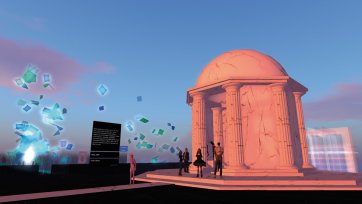
The artists in the doppelgänger exhibition have produced artworks that break down the perceived line that occurs at the computer screen between real life and the digital realm. In a world dominated by Google, Facebook and Twitter, where the age-old adage ‘You are what you eat’ becomes ‘You are what you tweet’, the artists investigate and challenge the notion of data as a conduit of identity. While this might suggest the arrival of the ‘posthuman’, a humanity defined by digital connectedness, it is clear from the actions of those in Second Life that virtual culture is profoundly human: Make art, make love, lets dance. Indeed, the similarities between real life and virtual life prompt reconsideration – not of how real virtual interactions are in Second Life, but just how artificial our human connectedness is. Many of the works in doppelganger act as a mirror to our humanity, reflecting our insecurities, our search for beauty and sense of wonderment in creations and ultimately in ourselves. Explore this virtual world. Look in the mirror and a see brittle, elaborate and constructed identity.

And meet the doppelganger.

Gillian Raymond
National Portrait Gallery


Contributing Artists Gazira BabeliArtistname LastnameCao FeiArtistname LastnameAdam Nash, Christopher Dodds, Justin Clemens