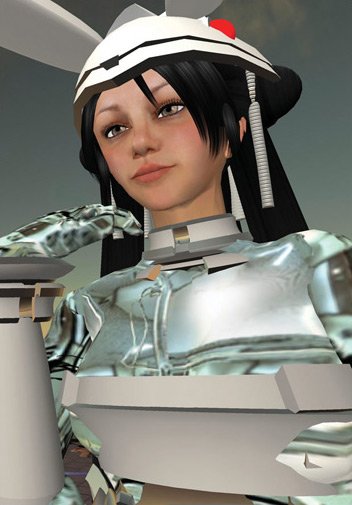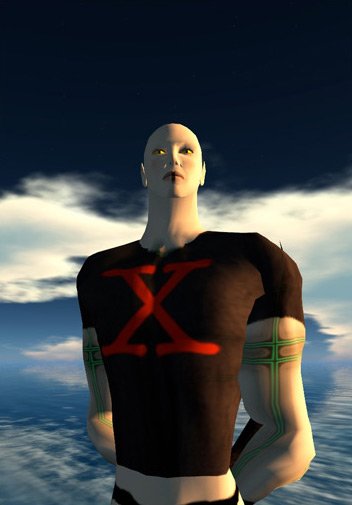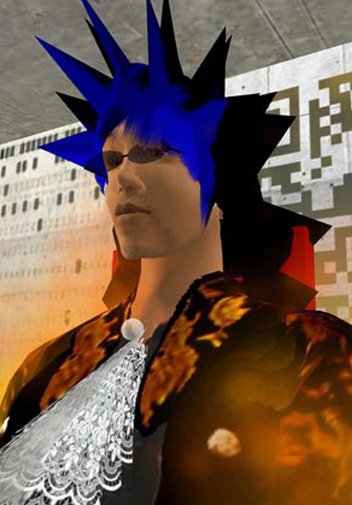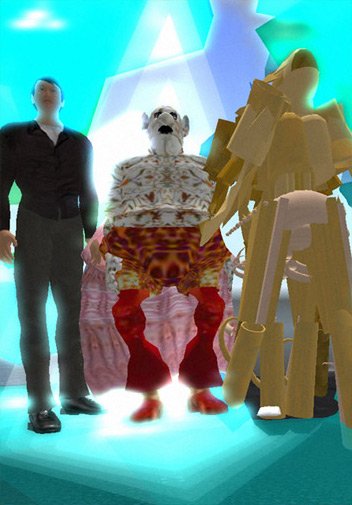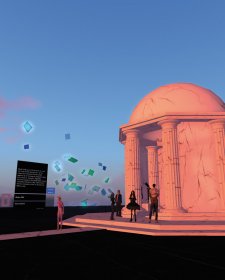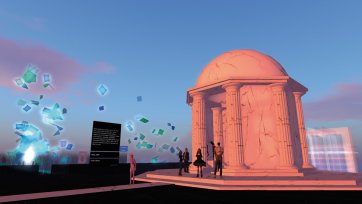
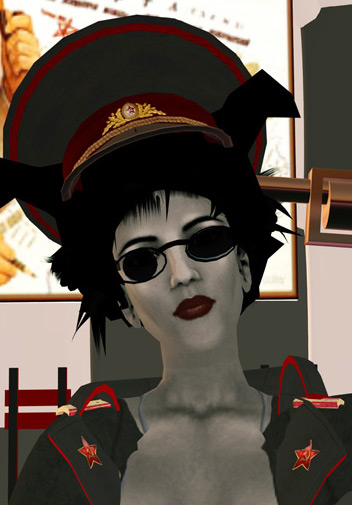
doppelgänger is the second in a series of virtual exhibitions held by the National Portrait Gallery that explore contemporary notions of portraiture in the online realm. Based in Second Life the exhibition features the work of five artists interested in exploring the concepts of constructed self, beauty and likeness, truth and illusion in self representation.
At the heart of the exhibition is the, often fearful, societal fascination with the ideas of twinning, cloning and the concept of the other self. The participating artists from Australia, Italy, USA and China have analysed notions of portraiture and identity in their works that exploit the unique qualities presented by the Second Life environment.
The exhibition will run from 23 October 2009 to 23 April 2010 on the purpose-built Portrait Island within Second Life. Multimedia interpretations of these works are also available for viewing in exhibition spaces at the National Portrait Gallery, Canberra.
Second Life
Second Life is a freely downloadable 3D environment on the Internet and is based on a familiar human dream of living another life. By creating an avatar, a 3D digital version of yourself, you can take on the appearance of a new person; a different sex, a different age or even an anthropomorphic figure. Once you have built your avatar you can walk, fly or teleport to islands created by other users and use text or voice chat to communicate with the more than 60,000 'residents' (real people from all over the world) who are online at any given time.